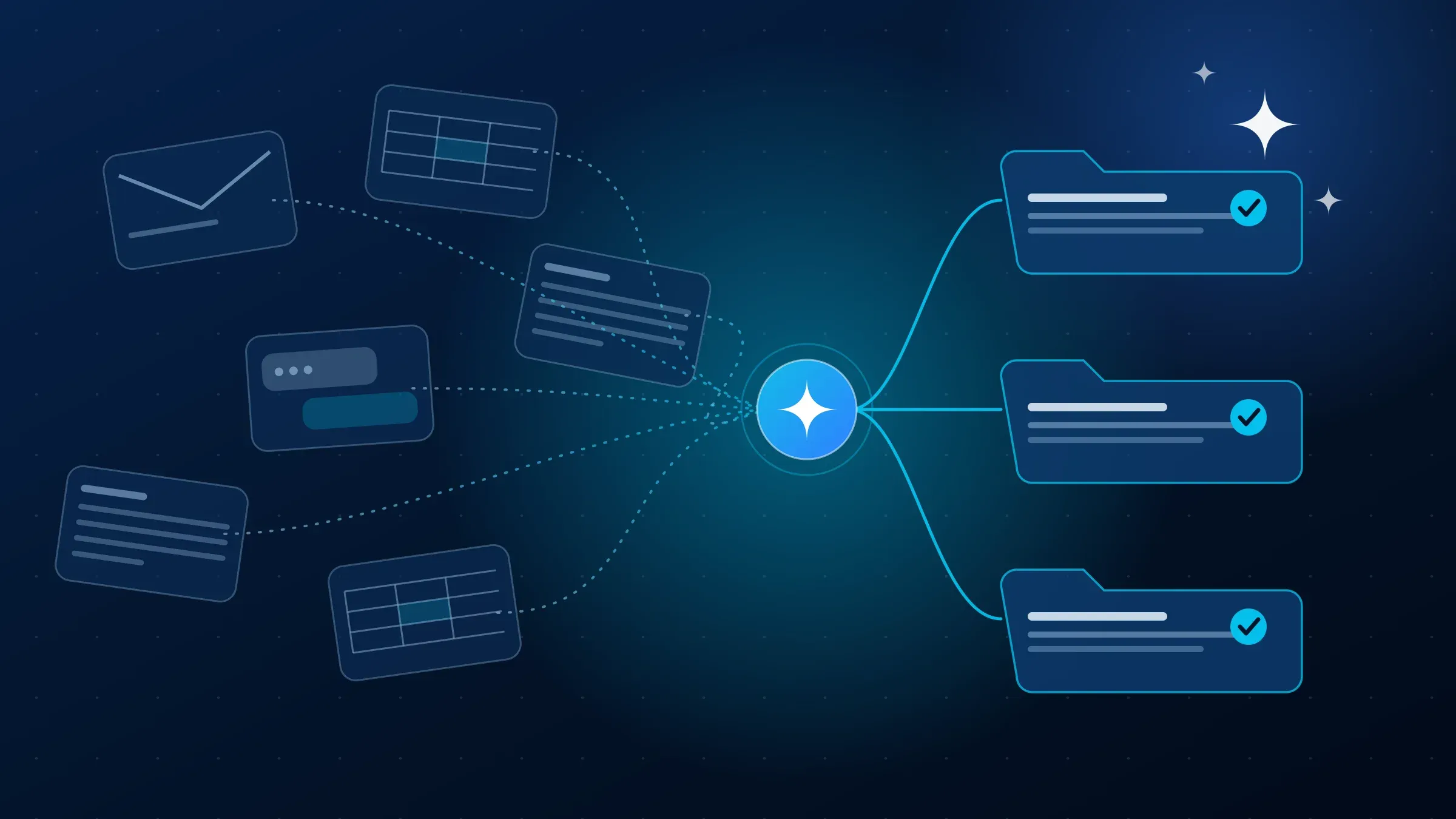
When a company has several applications, channels and partners that need to exchange information, the way the interfaces between them are designed ends up mattering more than any screen. The API-first approach proposes starting there: treating the API as a product and designing it before writing the rest of the code.
What API-first means
In an API-first approach, the API contract (which operations it offers, which data it receives and returns, how clients authenticate) is defined and agreed at the start. Afterwards, teams build their parts from that contract. The web application, the mobile app or a partner integration are simply clients of the same API.
Advantages
- Parallel work. With the contract agreed, the server team and the client teams move forward at the same time, using mocks while the implementation is not ready.
- Reuse. The same capability serves several channels without duplicating logic.
- Faster integrations. A well-documented API shortens the time to connect with partners and customers.
- Fewer surprises. Changes are discussed on the contract, not on code that has already been written.
Good practices
- Define the contract first. Use a standard specification, such as OpenAPI, and review it across all the teams involved.
- Think about the people who will use it. Clear names, understandable errors and real examples.
- Version from the start. Changing an API without breaking those who already use it requires a versioning policy and deprecation notices.
- Protect it. Proper authentication and authorisation, usage limits, input validation and access logging.
- Test it against the contract. Automated contract tests detect mismatches before they reach production.
- Document and observe. Always up-to-date documentation and metrics on usage, errors and response times.
Frequent mistakes
- Exposing database tables directly instead of business concepts.
- Changing the API without warning those who depend on it.
- Leaving documentation until the end, when it is already out of date.
API-first is not just a technique: it is a way of organising work across teams and preparing the company to integrate with its ecosystem. If you need to design or modernise your APIs, at XIATrust we can support you.